Case Study House No. 8
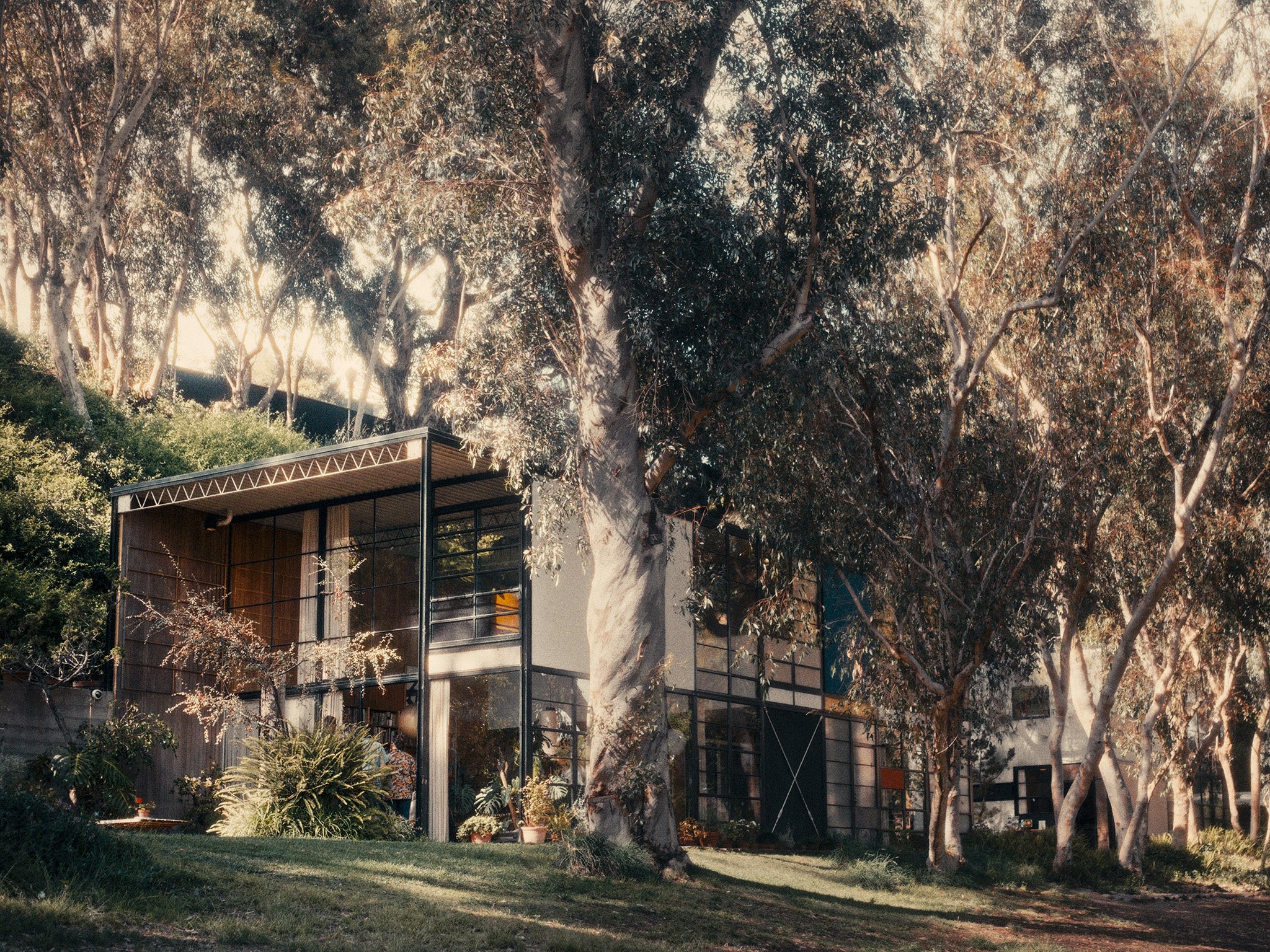
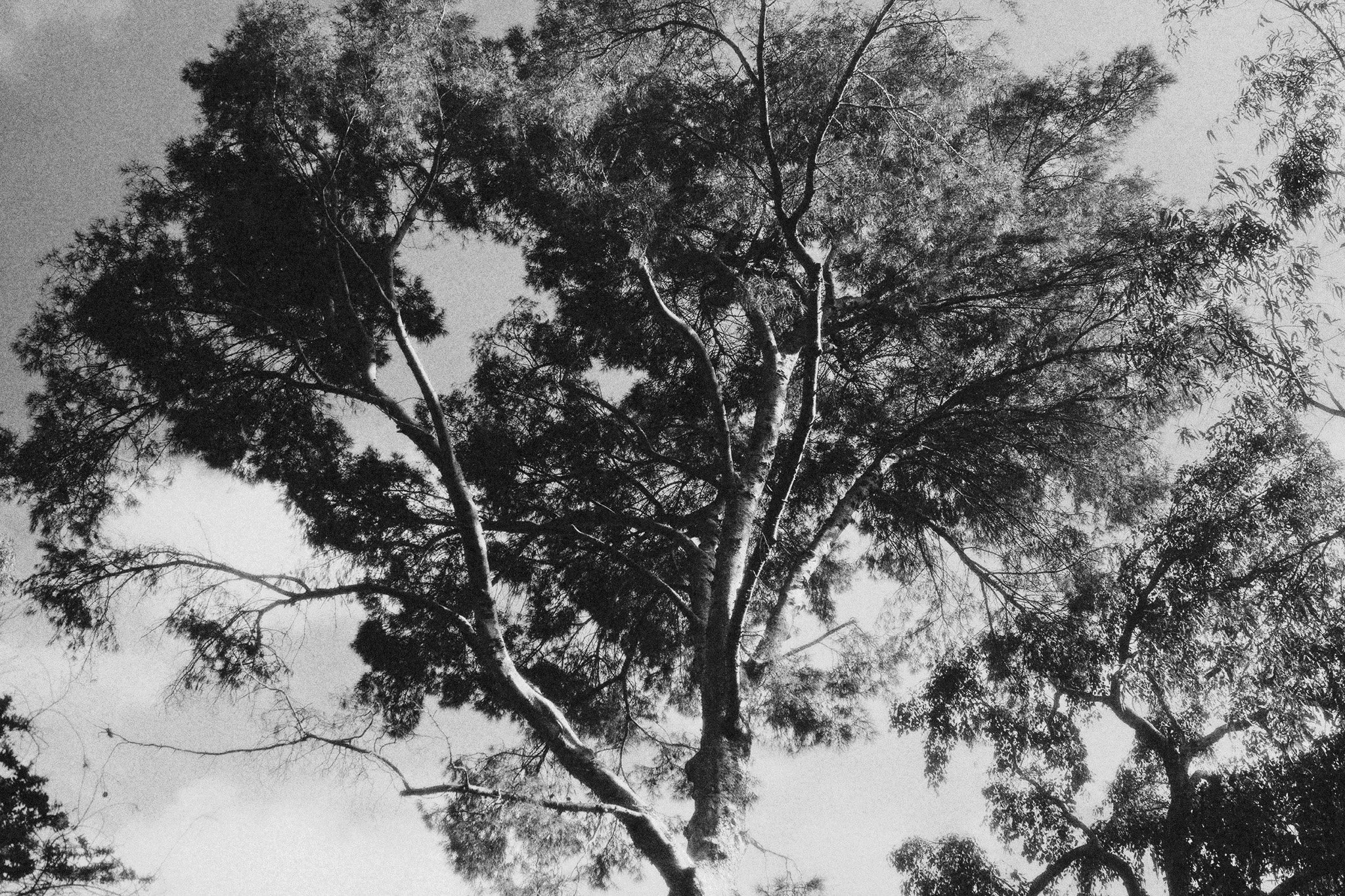
On a quiet morning in Pacific Palisades, we walked up a driveway lined with eucalyptus trees toward the home of designers Ray and Charles Eames. Standing at the site of Case Study House No. 8, we looked through the glass panels into the rooms where much of what is now considered modern design was thoughtfully designed.
Los Angeles made this possible. It has long been a city where individuals could pursue alternative ways of living. The climate, open land, and distance from the East Coast architectural establishments fostered genuine experimentation. It is easy to forget, living here, that homes by R.M. Schindler, Frank Lloyd Wright, John Lautner, Craig Ellwood, Eero Saarinen, and Richard Neutra are hidden throughout the city. Los Angeles, once a center of extraordinary ideas, offers much more than its surface suggests.
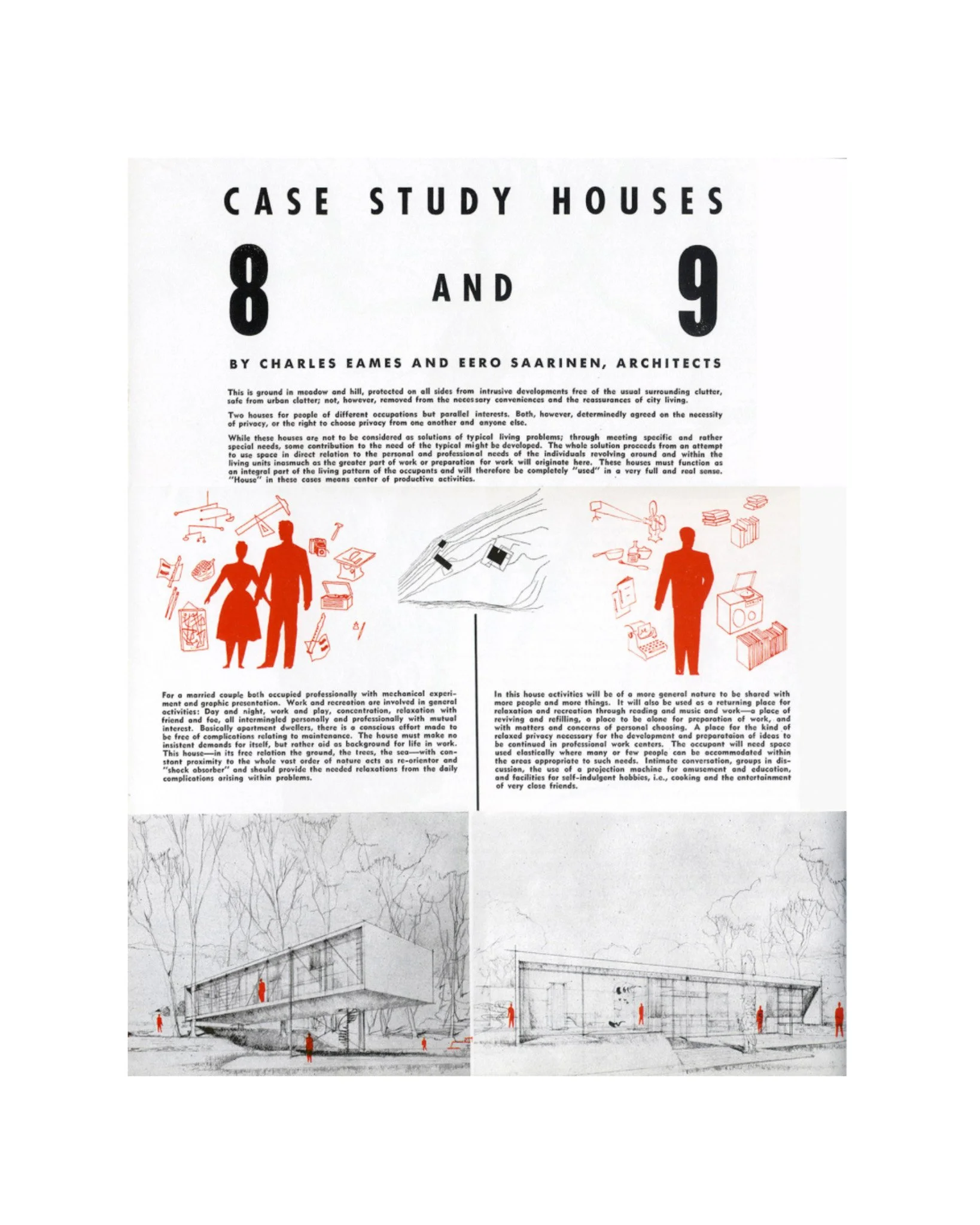
The Case Study House Program was sponsored by the magazine Arts & Architecture from 1945 to 1966 and asked the leading architects of the time to carry out something radical in a practical way by designing cheap, efficient, and beautiful houses for the millions of soldiers coming back from World War II and for the housing boom that they had caused. As a result, 36 designs were produced, and 25 of the houses were actually built, almost all of them in Southern California. Pierre Koenig's Case Study House No. 22, photographed by Julius Shulman and shown high above Los Angeles, became one of the most widely reproduced images in architectural history. Saul Bass (our favorite title designer) resided in Case Study House No. 20B in Altadena. They were not generic McMansions; rather, they were suggestions for how people might, in fact, live.

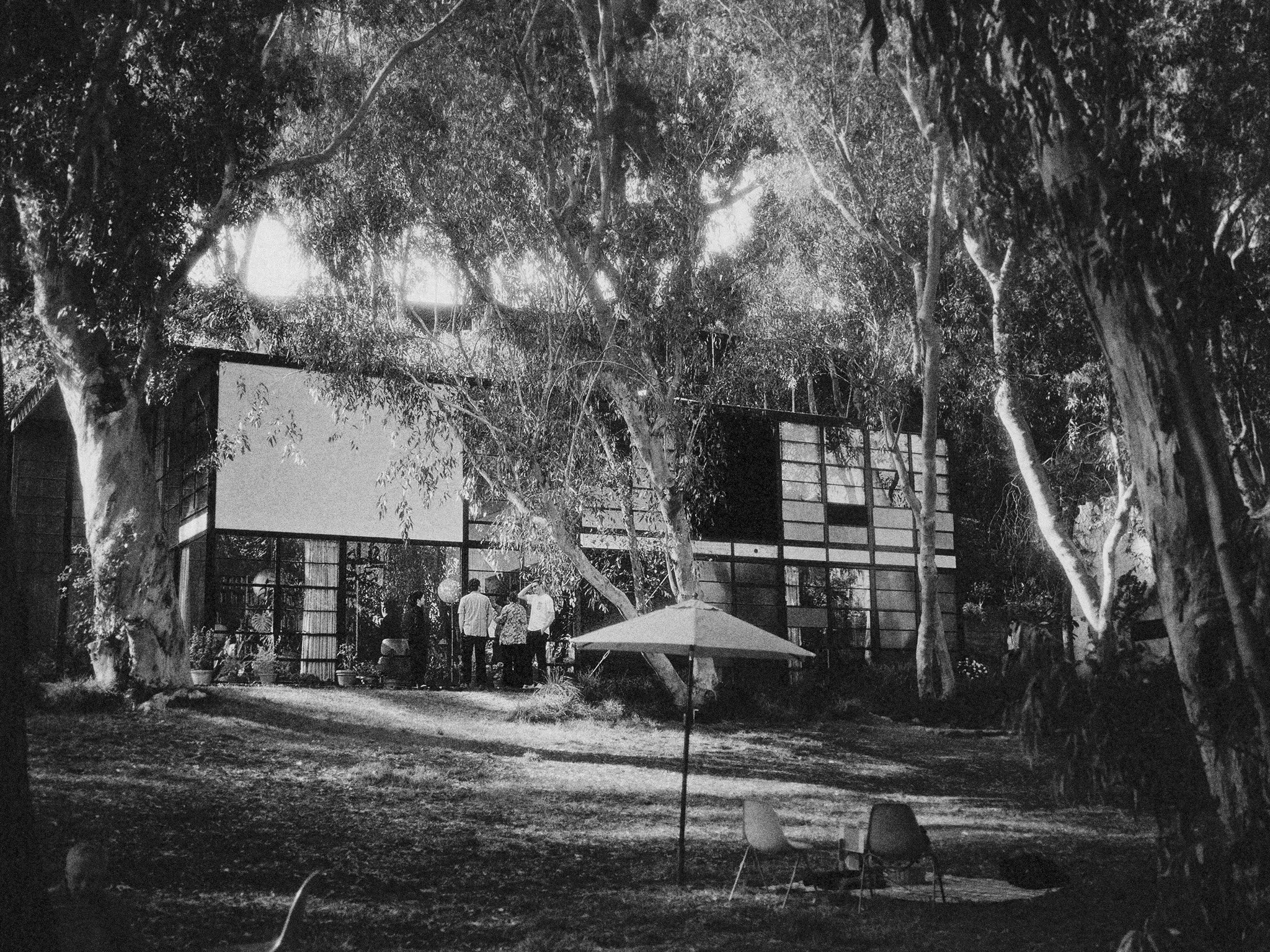
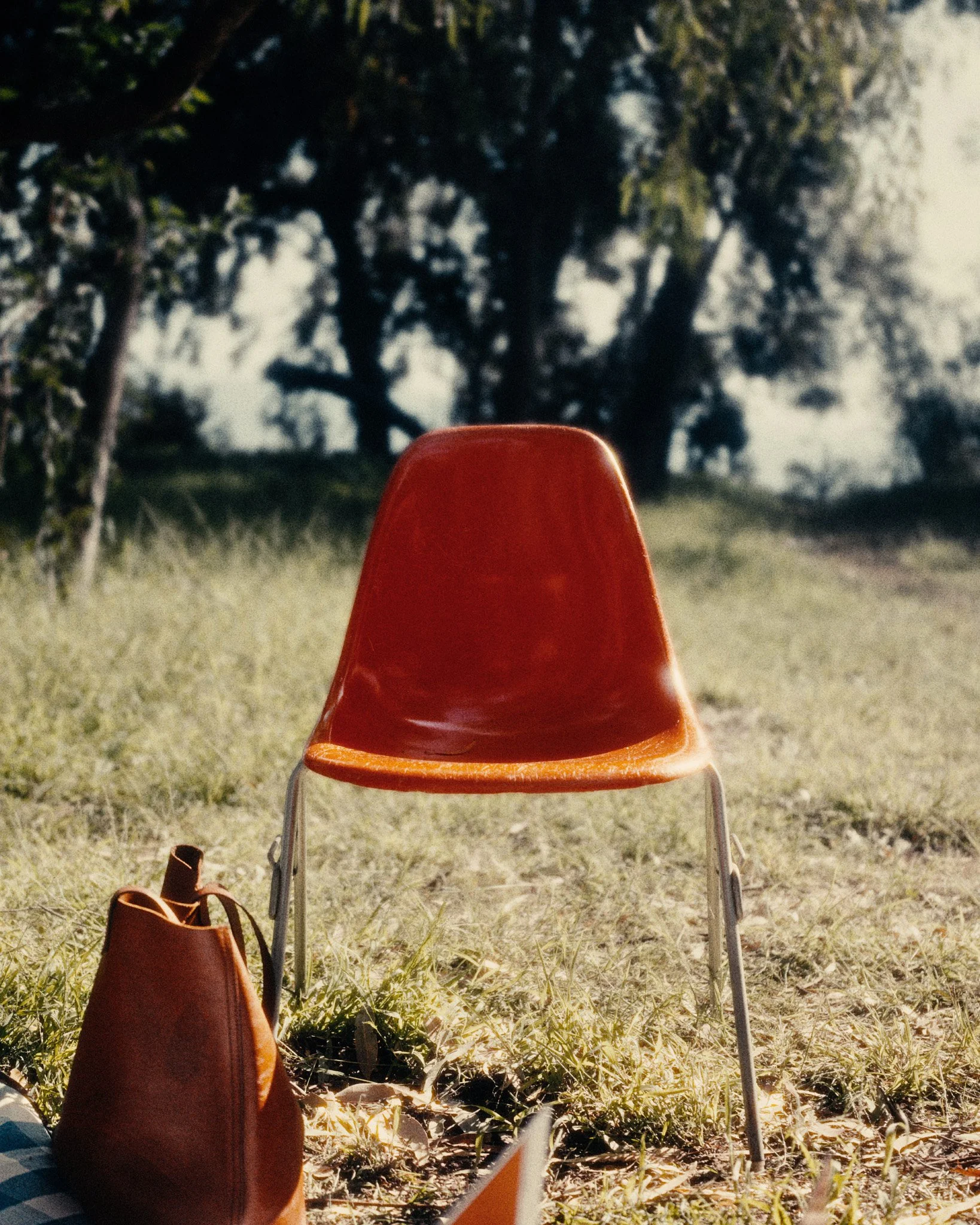
The Charles and Ray Eames designed Case Study House No. 8 in 1945 and finished it in 1949. It has a steel frame, glass panels, and colored infill that varies with the light. The house was built not only as a residence but also as a studio, with no distinct separation between the two uses. Once they moved in, they stayed for the rest of their lives. The house expressed their views on design, materials, and the role objects play in everyday life, and it showed that a well-designed space is a necessity, not a luxury. It proved that beauty and function can exist in harmony and that the way one lives is closely linked to what one creates.
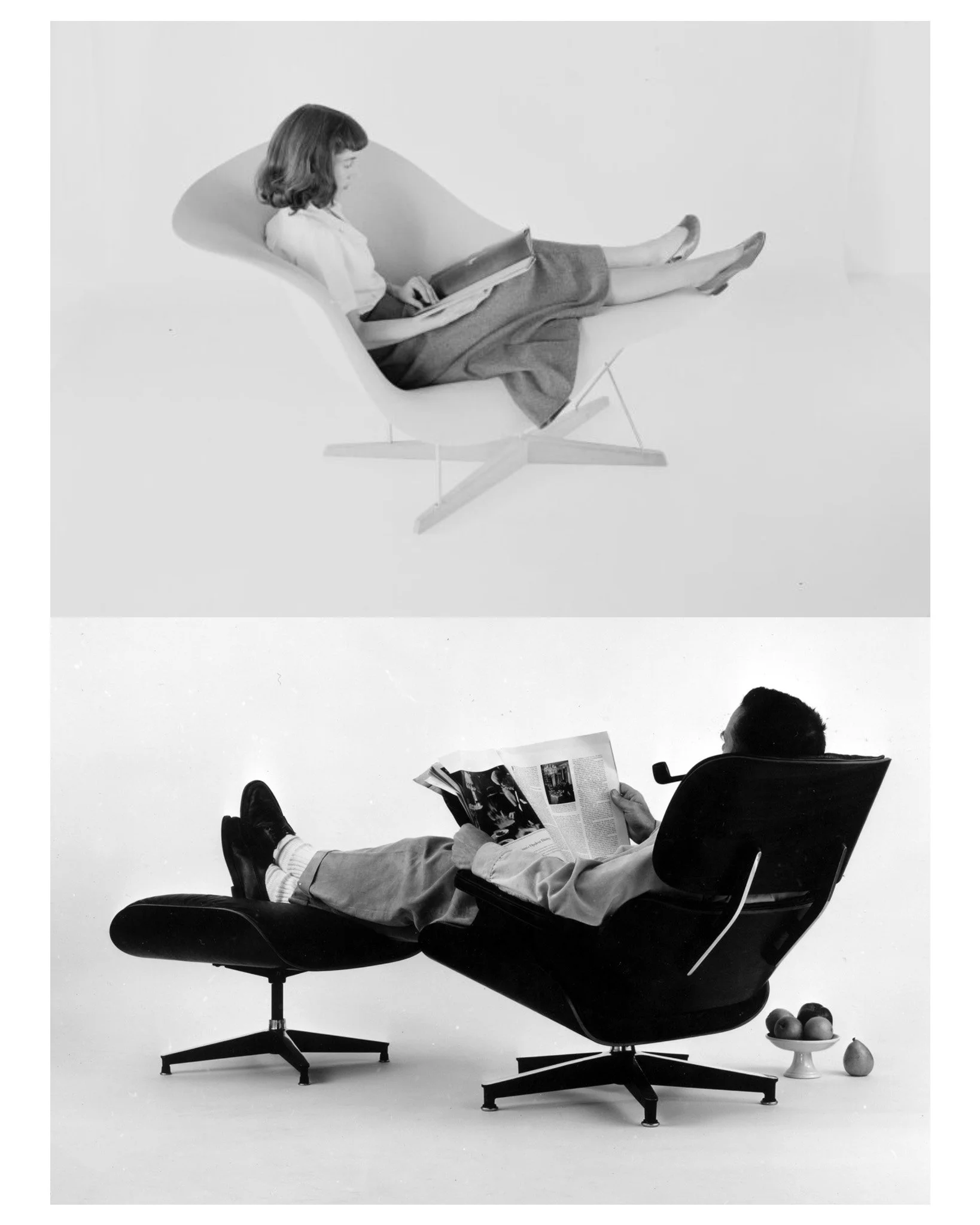

The Charles and Ray Eames Foundation preserves the house through exhibitions, workshops, public programming, and a recently opened studio that visitors can now access for the first time following restoration after the Palisades Fire. Residents and visitors to Los Angeles can have a beautiful afternoon supporting this important historical site.
Book in advance at eamesfoundation.org.